Cats · Myth check · Verdict: Not supported
Milk is good for cats
 Gilbert JonesResearch summary · sources below · Reviewed October 17, 2026
Why the myth exists
Cats often love the taste of milk and cream, and the image of a cat with a saucer of milk is everywhere. But liking something isn’t the same as it being good for them.
What happens in a cat’s gut
Kittens make an enzyme called lactase that lets them digest their mother’s milk. As cats grow up, most make much less of it, just like many adult people. Without enough lactase, the sugar in milk (lactose) isn’t digested properly.
The most common result is diarrhoea, usually within 8 to 12 hours. Some cats also get an upset stomach or vomit.
Kittens
Even kittens shouldn’t have cow’s milk. Vets say cow’s milk isn’t suitable for kittens. Orphaned or fostered kittens need a kitten milk replacer from a vet or pet shop.
If your cat loves it
- Milk isn’t needed in a cat’s diet at all.
- Some cats handle a spoonful or two as an occasional treat. Watch for loose stools over the next day.
- Lactose-free milk or cat milk products are gentler options.
- Treats of any kind should stay under about 5% to 10% of what your cat eats.
What the evidence says
Cats need milk
Not supported evidenceA complete cat food plus fresh water covers a cat’s needs. Vets don’t recommend milk.
Many adult cats are lactose intolerant
Moderate evidenceCats make less lactase as they grow up, and diarrhoea after milk is commonly seen by vets. How many cats are affected hasn’t been measured well.
Related notes
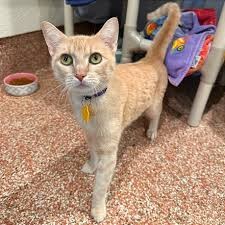 Are lilies dangerous for cats?
Yes, very. True lilies and daylilies can cause kidney failure in cats. Every part is toxic, including the pollen and the water in the vase. If your cat touches or chews one, get to a vet straight away.
Are lilies dangerous for cats?
Yes, very. True lilies and daylilies can cause kidney failure in cats. Every part is toxic, including the pollen and the water in the vase. If your cat touches or chews one, get to a vet straight away.
 Why does my cat eat grass?
Grass eating is normal for cats. Most cats that do it are not sick beforehand, and most don’t throw up afterward. Researchers think it is an inherited habit that may once have helped wild cats clear gut parasites.
Cats always land on their feet, so falls don’t hurt them
Cats are very good at twisting to land feet first, but falls still injure them badly. Vets see so many falls from windows and balconies that it has a name: high-rise syndrome. Screens on windows and balconies prevent it.
Why does my cat eat grass?
Grass eating is normal for cats. Most cats that do it are not sick beforehand, and most don’t throw up afterward. Researchers think it is an inherited habit that may once have helped wild cats clear gut parasites.
Cats always land on their feet, so falls don’t hurt them
Cats are very good at twisting to land feet first, but falls still injure them badly. Vets see so many falls from windows and balconies that it has a name: high-rise syndrome. Screens on windows and balconies prevent it.