Cats · Myth check · Verdict: Not supported
Cats always land on their feet, so falls don’t hurt them
 Gilbert JonesResearch summary · sources below · Reviewed October 17, 2026
The part that’s true
Cats have a righting reflex: as they fall, they twist their body around to land feet first. From most heights above about 90 cm (3 feet), most cats can do it.
The part that isn’t
Landing feet first doesn’t mean landing safely. In 1987, vets in New York looked at 132 cats brought in after falling from buildings. Many were injured. Common fall injuries in cats include broken jaws, broken legs and chest and lung damage.
Oddly, cats falling from fewer than six storeys had worse injuries than some falling from higher up. One idea is that from higher falls cats reach top speed, relax and spread out. But there’s a big catch: cats that died in falls were less likely to be brought to a vet, so they were left out of the numbers. High falls are not safer.
How to protect your cat
- Fit secure screens or mesh on windows you open and on balconies.
- Don’t rely on a cat “knowing better”. Cats fall chasing birds or insects, or when startled.
- If your cat falls, see a vet even if it seems fine. Chest injuries aren’t always obvious.
What the evidence says
Cats can twist in mid-air to land feet first
Strong evidenceThe righting reflex is well documented and works from heights of about 90 cm and up.
Cats aren’t hurt by falls because they land on their feet
Not supported evidenceFall injuries in cats are common enough to have a name, high-rise syndrome. A study of 132 cats found many injured.
Cats are safer falling from higher floors
Weak evidenceSome data show fewer injuries above six storeys, but cats that died weren’t counted, which makes high falls look safer than they are.
Related notes
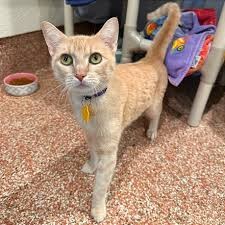 Are lilies dangerous for cats?
Yes, very. True lilies and daylilies can cause kidney failure in cats. Every part is toxic, including the pollen and the water in the vase. If your cat touches or chews one, get to a vet straight away.
Are lilies dangerous for cats?
Yes, very. True lilies and daylilies can cause kidney failure in cats. Every part is toxic, including the pollen and the water in the vase. If your cat touches or chews one, get to a vet straight away.
 Why does my cat eat grass?
Grass eating is normal for cats. Most cats that do it are not sick beforehand, and most don’t throw up afterward. Researchers think it is an inherited habit that may once have helped wild cats clear gut parasites.
Milk is good for cats
Not really. Cats don’t need milk, and many adult cats can’t digest the lactose in cow’s milk, which can cause diarrhoea. Fresh water is all a cat needs to drink.
Why does my cat eat grass?
Grass eating is normal for cats. Most cats that do it are not sick beforehand, and most don’t throw up afterward. Researchers think it is an inherited habit that may once have helped wild cats clear gut parasites.
Milk is good for cats
Not really. Cats don’t need milk, and many adult cats can’t digest the lactose in cow’s milk, which can cause diarrhoea. Fresh water is all a cat needs to drink.